Tagged : ‘black and white’
Hydrangea, Capel Manor, 27.3.13
Tags:black and white, dried flower, flower, garden, London, monochrome, petals, soft focus
This entry was posted on Friday, April 12th, 2013 at 16:22
You can follow any responses to this entry through the RSS 2.0 feed.
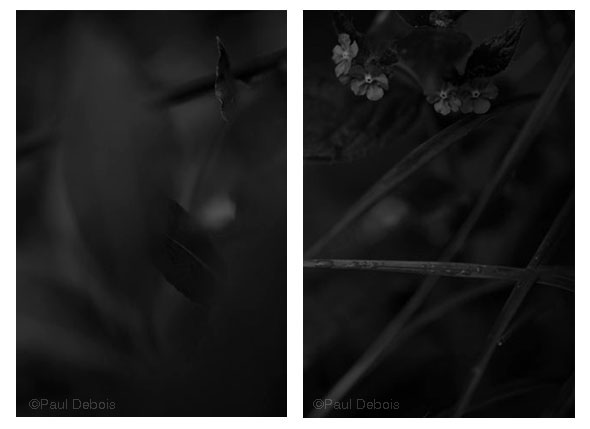
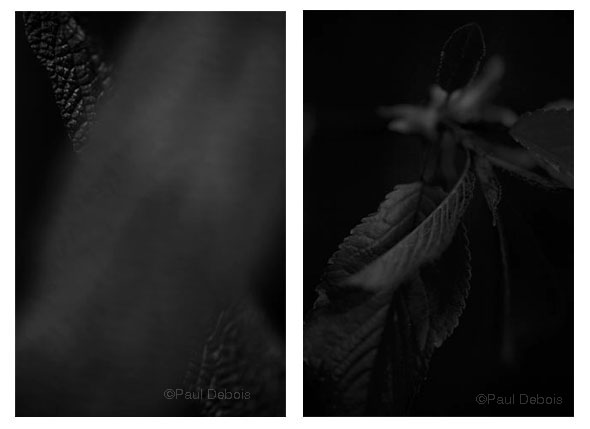
Some test shots from this afternoon, possibly for later use in gravure printing.
Tags:b/w, bay, black and white, cherry, forget me nots, mono, monochrome, Viburnum
This entry was posted on Thursday, April 12th, 2012 at 15:36
You can follow any responses to this entry through the RSS 2.0 feed.
In December 2008 I started a project which evolved into set of images called 43 Gardeners’ Hands. This was exhibited at Kew through the summer of 2009. Four more photographs were taken just after the exhibition deadline, and as a result were never exhibited. So, clockwise from top left: Dan Hinckley, Tim Richardson, Rosemary Alexander and Will Giles.
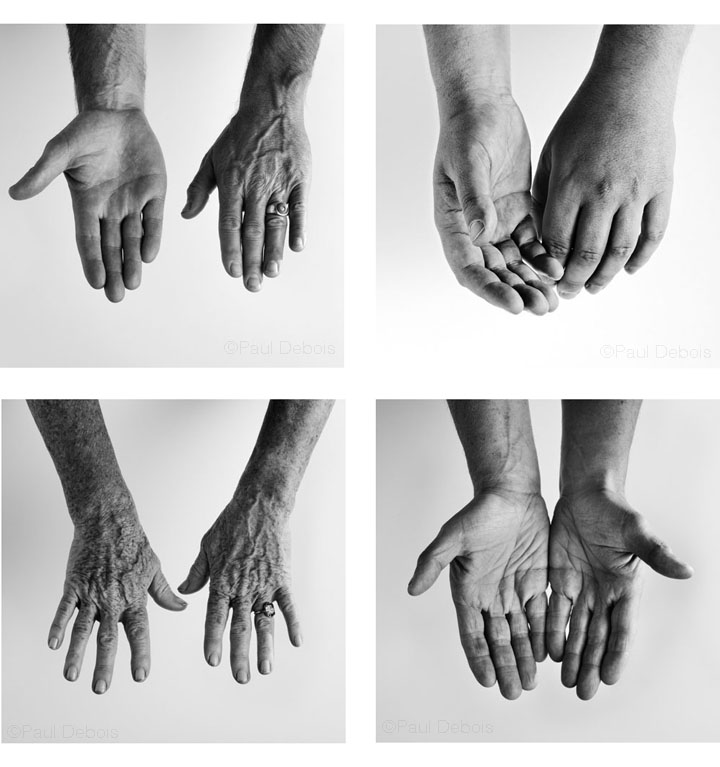
Gardeners' hands, clockwise from top left: Dan Hinckley, Tim Richardson, Rosemary Alexander and Will Giles
Tags:43 Gardeners' Hands, black and white, Dan Hinckley, hands, photographs, Rosemary Alexander, Tim Richardson, Will Giles
This entry was posted on Wednesday, March 7th, 2012 at 13:28
You can follow any responses to this entry through the RSS 2.0 feed.
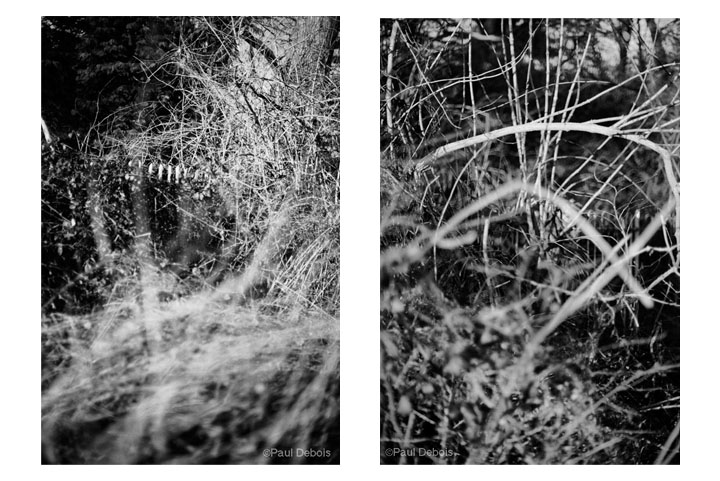
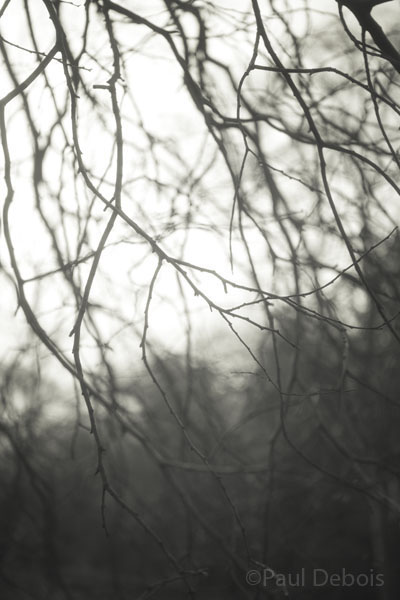
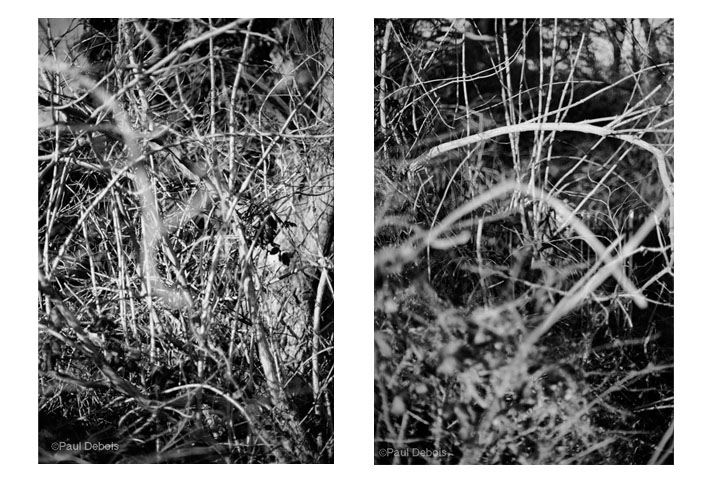
Some recent sketch ideas from a walk I regularly take:
Tags:black and white, Gunnersbury Park, landscapes, London, monochrome, trees
This entry was posted on Monday, February 27th, 2012 at 18:03
You can follow any responses to this entry through the RSS 2.0 feed.
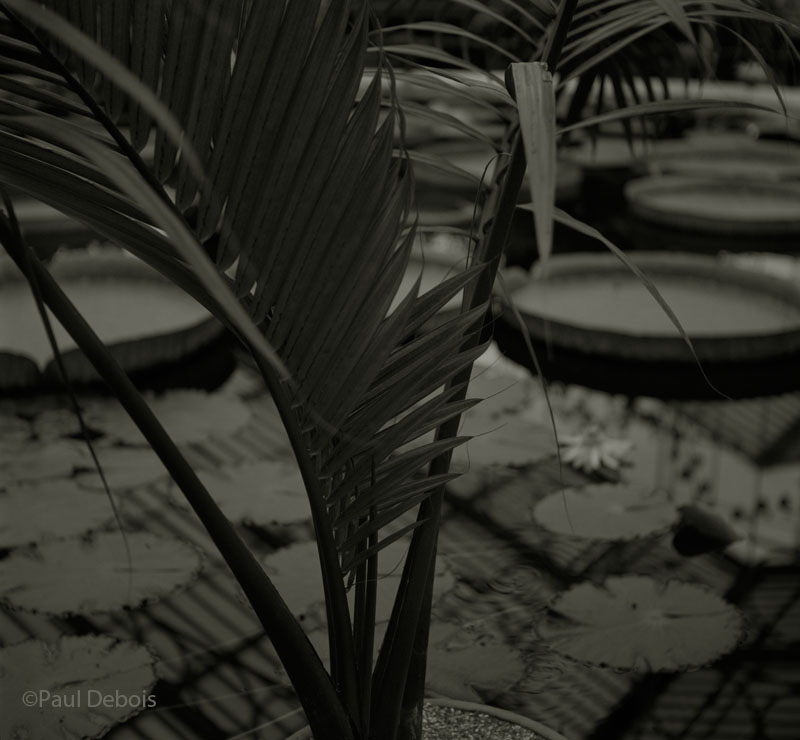
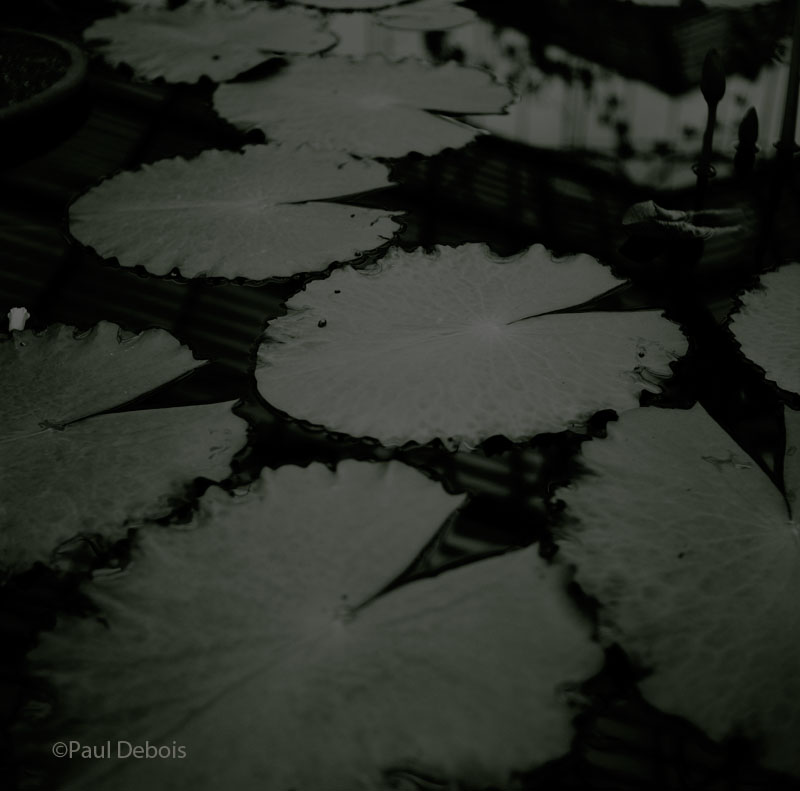
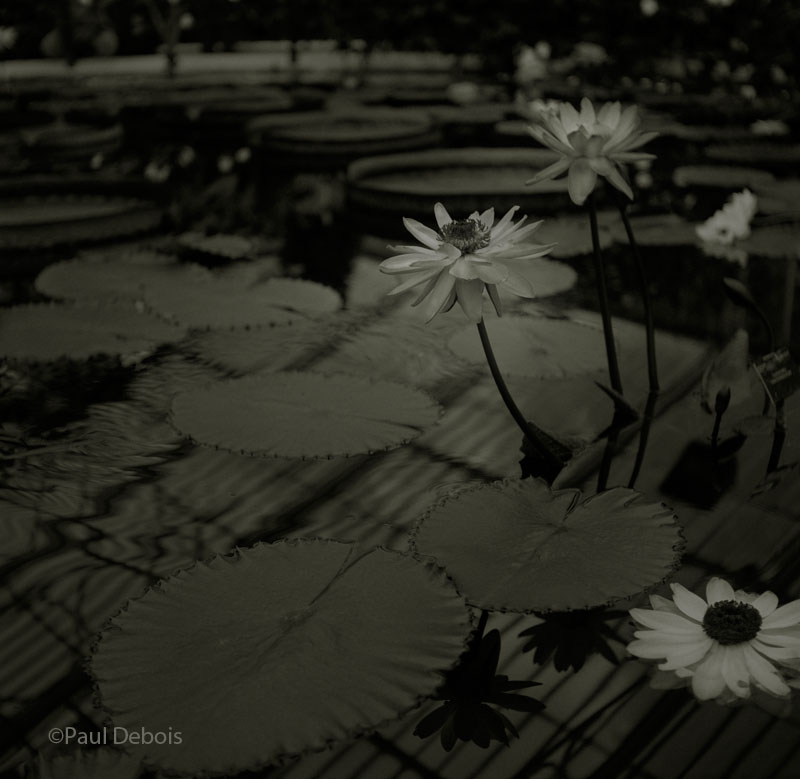
Earlier in the year I visited the Monet Gardens at Giverny to photograph the waterlillies. Prior to the shoot, I was asked to make some test shots for a few ideas I had, and these are the results. Shot at my local, Kew, the ideas weren’t adopted in the end, but a few days ago I finally made some high res scans.
I love using square format. Unfortunately most art directors worry when you mention it. To fit a page, a crop is almost inevitable, making its use irrelevant. And why shoot a beautful garden in black and white? The area around the lake at Giverny is green. And then there is a lot more green, which is not surprising really, as it’s largely a woodland type planting. There are occasional splashes of colour, but I wanted to capture the tonality. My darkroom instincts come to the fore in these situations!
Colour was eventually decided on and I shot some lovely graphic images – once these have been published next spring, I’ll post these too. And waterlillies – they’re absolute devils. If they decide to open, it’s a long wait. I timed one and it took 2 hours and 15 minutes. I’d normally have better things to do than standing around with a stop watch, but when you are planning a ferry trip home, it was essential. But worth the wait!
Tags:black and white, Claude Monet, Giverny, Kew Gardens, waterlillies
This entry was posted on Wednesday, November 9th, 2011 at 10:59
You can follow any responses to this entry through the RSS 2.0 feed.
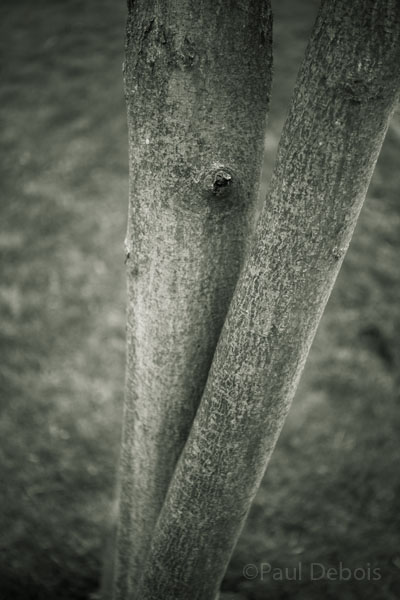
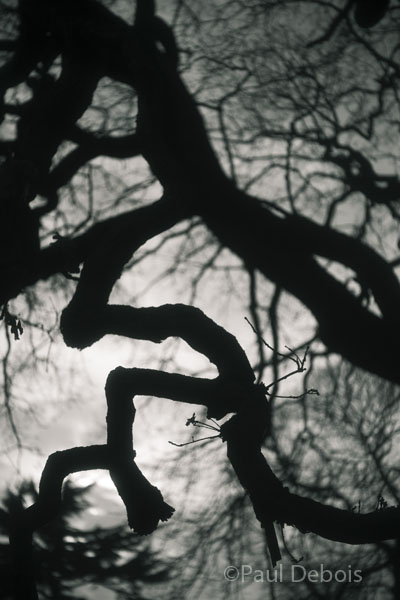
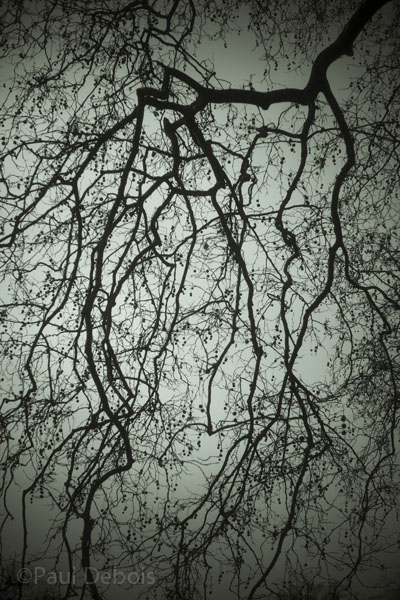
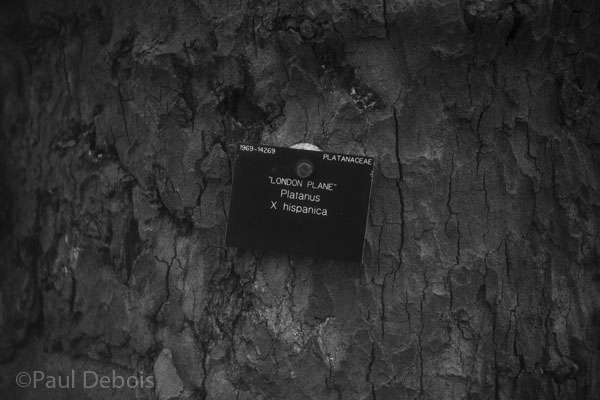
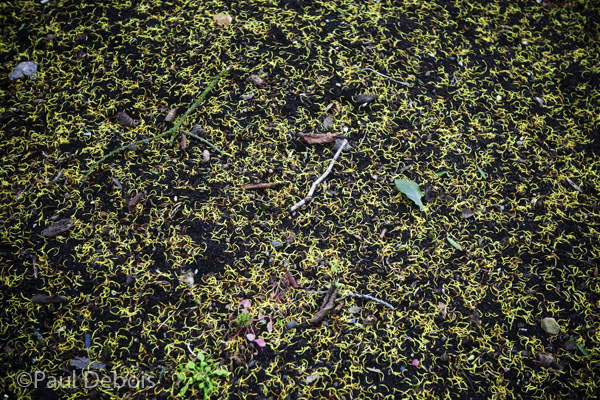
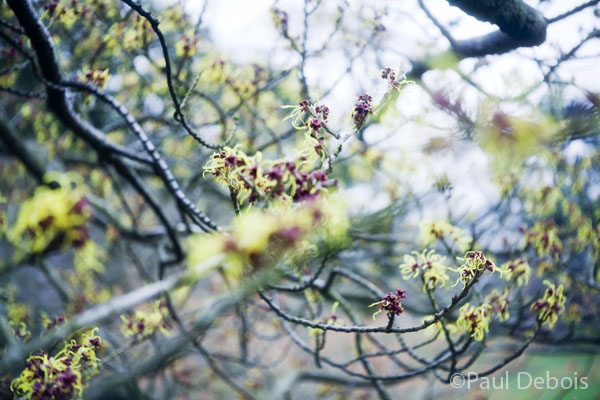
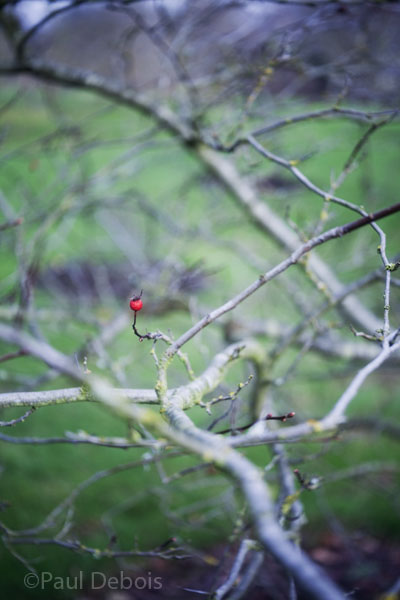
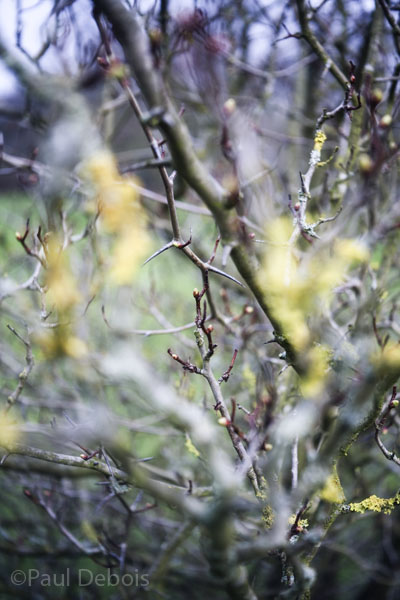
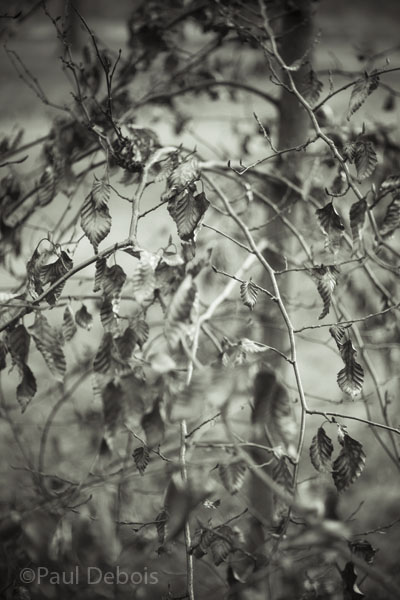
A few test shots from a short visit to Kew Gardens last Friday. After four days of scanning, spotting and captioning some of my classic car photos, I felt I deserved a day out of the office!
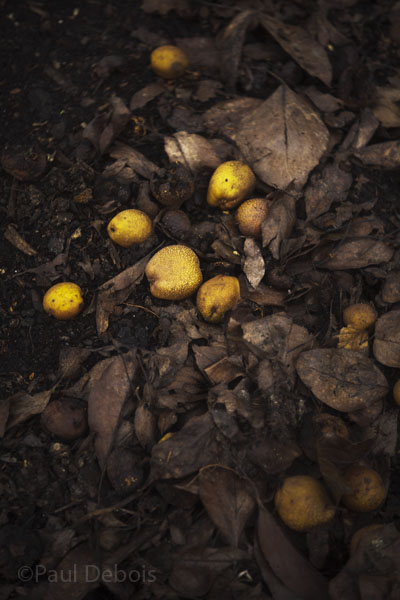
I’m also trying a blog slideshow plug in, which has more images to scroll through. Hopefully it will view correctly in your browser. If you click on a large photo, it will stop the slides changing and display a full frame image. To restart the show, click on the background or thumbnail of your choice.
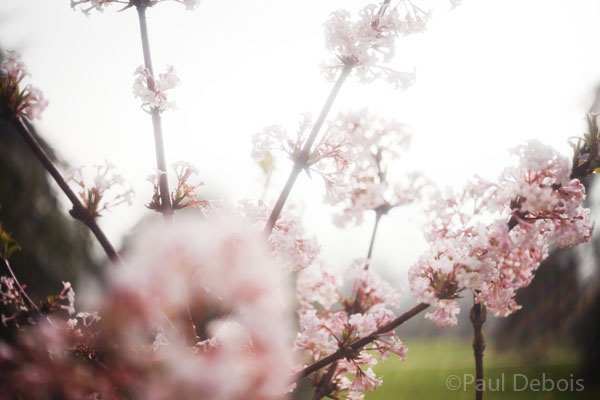
- Viburnum farreri
- twigs and branches, Kew Gardens
- Rhus chinensis
- Quercus robur or English oak
- Pyrus ‘pashia’ – windfall fruit
- Platanus x hispanica or London plane
- Hamamelis intermedia
- Crataegus mohrii
- Crataegus baroussana
- Celtis laevigata ‘smallii’
- Carpinus turczaninowii or Turczaninow’s Hornbeam
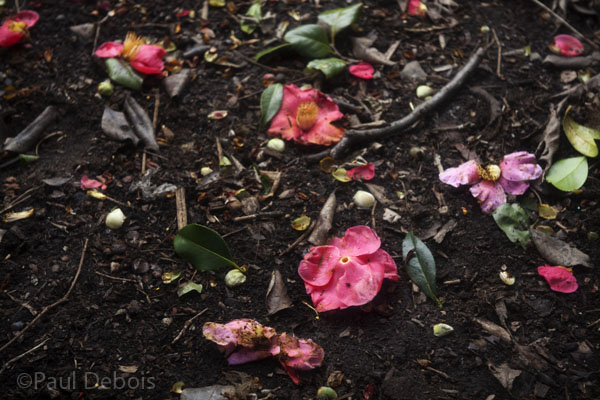
- Camelia japonica ‘cardinal’ petals on ground at Kew
Tags:black and white, Kew Gardens
This entry was posted on Monday, February 21st, 2011 at 18:35
You can follow any responses to this entry through the RSS 2.0 feed.
It’s strange. In picture terms, people’s perception of reality is often hampered by a literal interpretation. A camera never lies. I suppose this is debatable – the choices a photographer makes when creating an image can distort perspective in a particular scene. But this is usually intended to create interest rather than to misinform. Most of the time.
In 2009 I had a print exhibited in the Association of Photographers Open exhibition. A moody shot of St Paul’s Cathedral – unusual, but not controversial. Or so I thought.
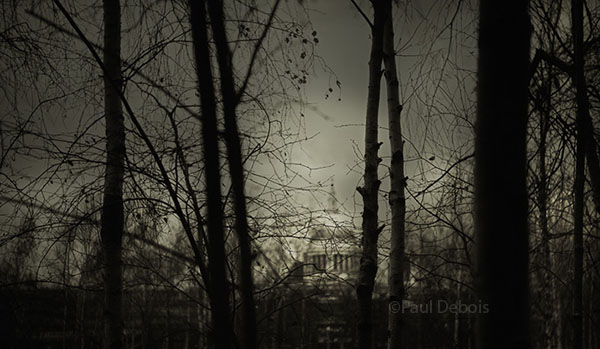
“It must have taken ages to ‘Photoshop in’ the trees,” is the usual comment. It happened again yesterday.
“No, it’s one shot”.
“But there aren’t any trees next to St Paul’s Cathedral”.
“Look from The Tate Modern,” I reply. It sometimes takes a bit of explaining, and it isn’t always believed. Computer trickery is always assumed.
So this is how I did it.
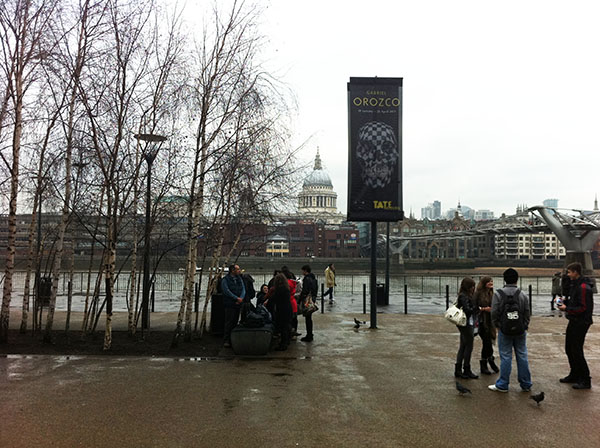
view towards St Paul's Cathedral taken from Tate Modern, a few metres to the right of the original camera position. Camera – iPhone.
Technique – 50mm lens, Canon 5D MKII. I stood with my back to the coffee cart at the Millennium Bridge entrance of the Tate. Click. Simple!

Tags:black and white, Canon 5DMKII, exhibition, monochrome, photograph, photography exhibition, St Paul's Cathedral, The Tate Modern
This entry was posted on Saturday, February 12th, 2011 at 12:00
You can follow any responses to this entry through the RSS 2.0 feed.
There are two new exhibitions where I have photographs on display, both in London. The first, Shades of Winter, is a joint exhibition at Fulham Palace, with photographer Caroline Ames. I have 10 of the Pinhole Impressions series on display (see previous postings) and Caroline has 10 photographs of Fulham Palace, taken last winter. A large version of 43 Gardeners’ Hands is also on display. This runs from 24th November 2010 to 27th February 2011. For more information and travel details, see the Fulham Palace website.
The second exhibition is the Red Dot charity auction at the Association of Photographers Gallery, where I have two images on display. This is an annual event where silent bidding starts at £40 for all prints. All profits from print sales will be donated to the charity Photovoice, a multi-award winning charity based in London. Its mission is to bring about positive social change for marginalised communities, providing them with photographic training with which they can advocate, express themselves and generate income. You can view all images online, or see the images on display at the AOP gallery from 1st December 2010 to 13th January 2011 – Opening hours: Monday – Friday, 10am – 6pm. Visit the website for travel details.
Tags:43 Gardeners' Hands, AOP, black and white, exhibition, Fulham Palace, landscape, monochrome, photography exhibition, Photovoice, Red Dot, Spain, Wisley
This entry was posted on Saturday, December 4th, 2010 at 13:15
You can follow any responses to this entry through the RSS 2.0 feed.
Last week I visited the new Eadweard Muybridge exhibition at Tate Britain. On leaving the gallery, I saw a note on the foyer wall saying visit the cafe and download the Muybridgizer app for your iPhone. I wanted it. But it wouldn’t download. I went home – no joy. I wanted it more. Several Google searches failed to find it. Did it really exist? Were the staff at the Tate pulling a fast one? Then I tried to convince myself that it probably wouldn’t be any good. This didn’t work. I still wanted it!
Finally, today it was there in the iTunes store. I rushed out with my iPhone to test it. Was it worth the wait? Probably not, but it’s quite addictive and fun to play with. So, my first results:
The exhibition was fascinating. There was a wide range of work on display and a lot was new to me. Before his experiments with time sequences, Muybridge made a lot of money in the United States from some of his landscape photography, particularly with stereographs. These were small cards with two photographs of the same subject, each from a slightly different perspective. Seen through a handheld viewer, the photographs were transformed into a 3D image. He also frequently worked with an 18×24 inch plate camera, and it was noted at the time that he cut trees down by the score in the quest for the perfect view! This has crossed my mind on more than one occasion in Richmond Park. It’s not specifically mentioned in the permit terms and conditions, so I assume it’s open to debate with the Parks Police. Worth a go next time.
My favourite image, by far, was one of the sequences. Not one of the horses or athletes, which had the appearance of scientific experiments. Or the lady in a hat, jumping over a stool. Or even model 95, described as a 60 year old ex-athlete, who turned out to be Muybridge himself . ‘Frightening chickens with a torpedo’ must have been one of those tests carried out on a Friday afternoon for the sheer hell of it! It wins hands down for its pointlessness - and humour. Good job Leland Stanford, Muybridge’s patron, had a lot of money. Unfortunately , at the moment, I can’t actually find a link to the image.
The exhibition is at Tate Britain and runs from 8th September 2010 to 16th January 2011
Tags:black and white, Eadweard Muybridge, iphone app, monochrome, multiple images, Muybridgizer, photography, Richmond Park, sequences, Tate Britain
This entry was posted on Friday, October 15th, 2010 at 20:33
You can follow any responses to this entry through the RSS 2.0 feed.
I have collected cameras for many years, and the display cabinets in my office have long been full of photographic detritus. Subject to many clear outs, the remaining equipment is an eclectic mix of stuff I have used over the years, or antiques I’ve taken a shying to.
My favourite by far is the Baby Rolleiflex I bought on Ebay. Made in the early 1960′s, it is an example of great engineering. With precision wind on and a shutter that has a satisfying click, it is a world away from the clunk most SLR’s (digi or film) seem to have. A boy’s toy maybe, but it works as well now as it did when it came out of the factory! And it takes great pictures.
The biggest problem is getting film. 127 is a format which is basically obsolete, with just a few manufacturers producing small batches of colour or black and white stock. I’ve used 200 ISO colour negative made by Maco – a C41 film which did produce good results. But I did have a problem with one batch, where the backing paper was sticking to the emulsion – not through the whole length of film, but enough to lose several frames. And the spools tended to be fractionally too wide, meaning it was best to use an old metal spool in the take-up chamber to prevent jams.
You can also buy new Kodak film that has been re-cut and rolled using old 127 backing paper. I bought some at B&H in New York, and was alarmed to see it boxed up as Kodacolor X, a film last manufactured in 1974! The technician who processed the film was fairly cool with the C22 process label too – a disaster in the making for a modern processing machine had it been accurate. So not for the faint hearted!
You need to be keen to use a Baby Rollei, but the images do have a ‘look’. Due to the erratic nature of the film supplies, it has now been retired to one of the top shelves in my camera cabinet! But I think I might consider a classic Rolleiflex at some point – 120 film looks as if it will be here for a while longer.
Empire State Building, New York, from the junction of Fifth Avenue and East 33rd Street, taken with Baby Rolleiflex
View of Flatiron Building, New York, from Madison Square Park in Manhattan, taken with Baby Rolleiflex
Empire State Building, New York, from the junction of Fifth Avenue and East 33rd Street, taken with Baby Rolleiflex
Some of the above images are available from Millennium Images
Tags:127 film, Baby Rollei, black and white, cameras, classic camera, monochrome, Rollei, Rolleiflex, twin lens
This entry was posted on Saturday, June 5th, 2010 at 18:24
You can follow any responses to this entry through the RSS 2.0 feed.